
Climate
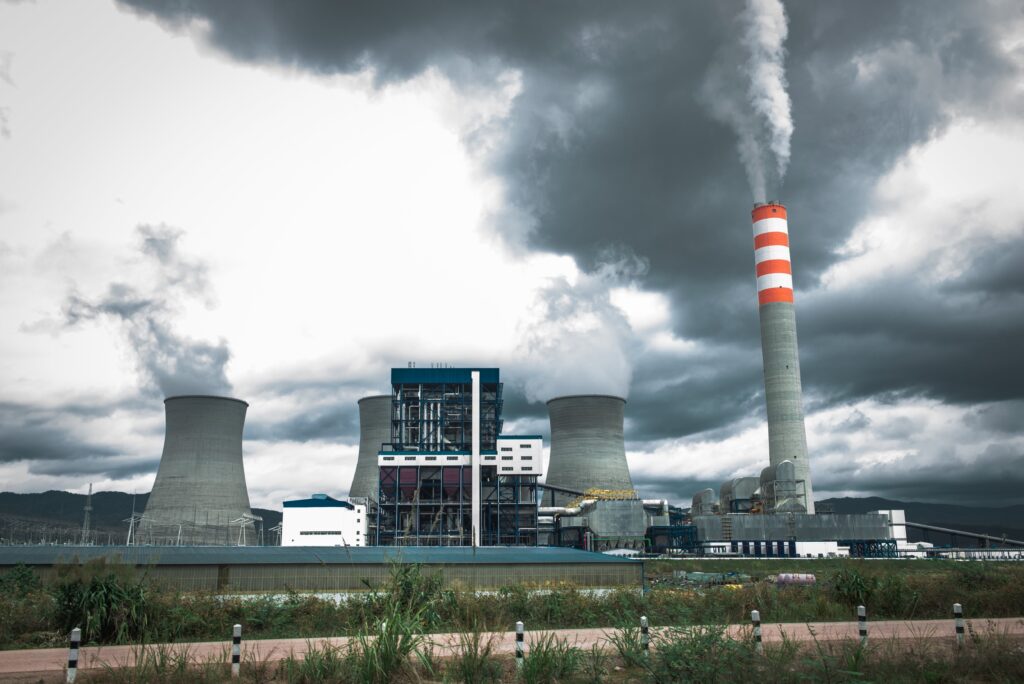
In the face of the climate crisis, we see a future built on resilience, equity, and the unwavering defense of human rights and the planet. The world is at a tipping point. To avert the worst effects of the climate crisis, countries must end their dependence on fossil fuels, take aggressive action to curb environmental destruction, and prepare for the unavoidable impacts of a climate crisis that is already here.
EarthRights works in partnership across four areas: corporate accountability, defense of Indigenous stewardship, climate resilience and environmental justice, and confronting false climate solutions in the global south.

Corporate Accountability
Corporate and institutional impunity continues to drive environmental, climate, and human rights harms around the world. EarthRights holds corporations and financial institutions accountable by exposing their role in environmental destruction, climate harms, and human rights abuses; challenging unlawful or harmful conduct through legal and campaigning strategies, and obtaining remedies that repair harm and prevent future abuses.
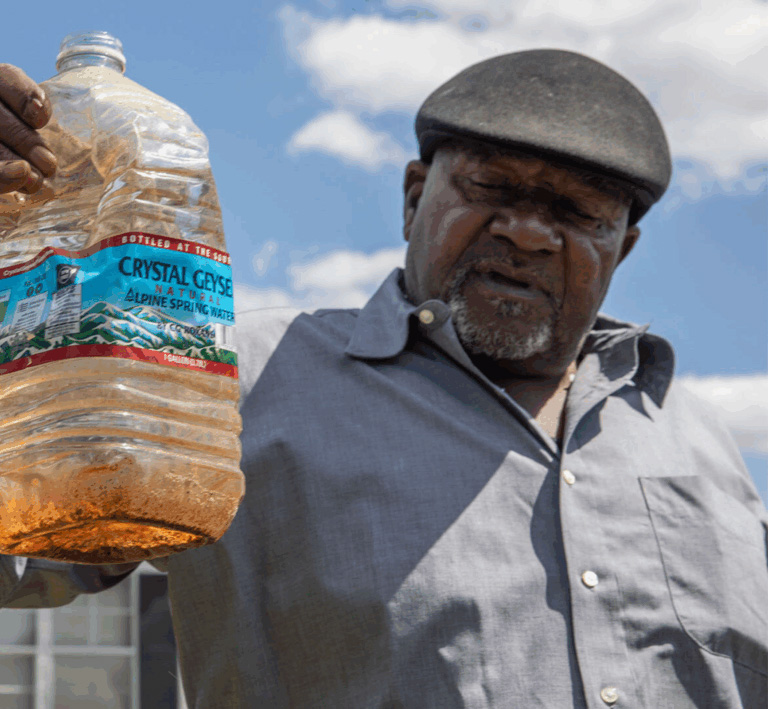
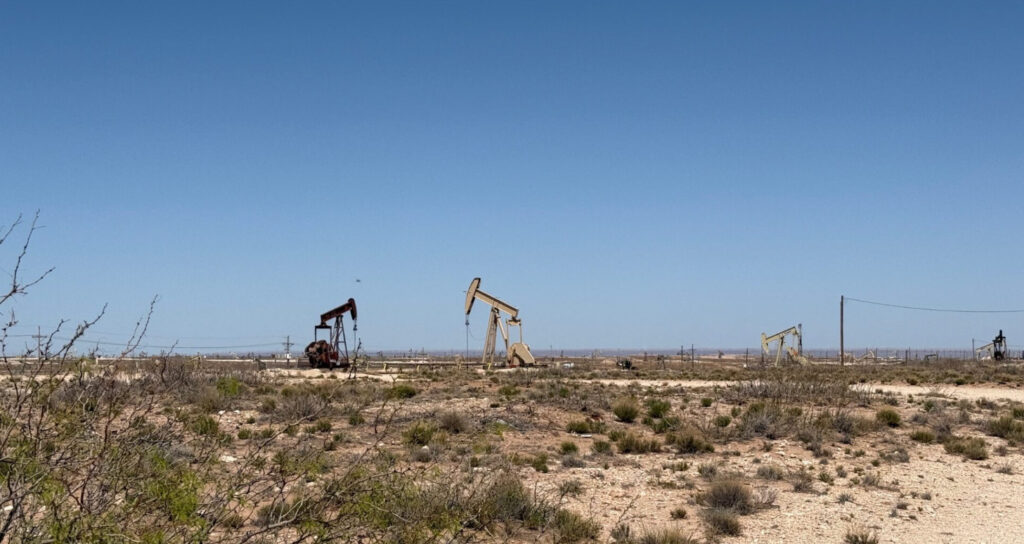
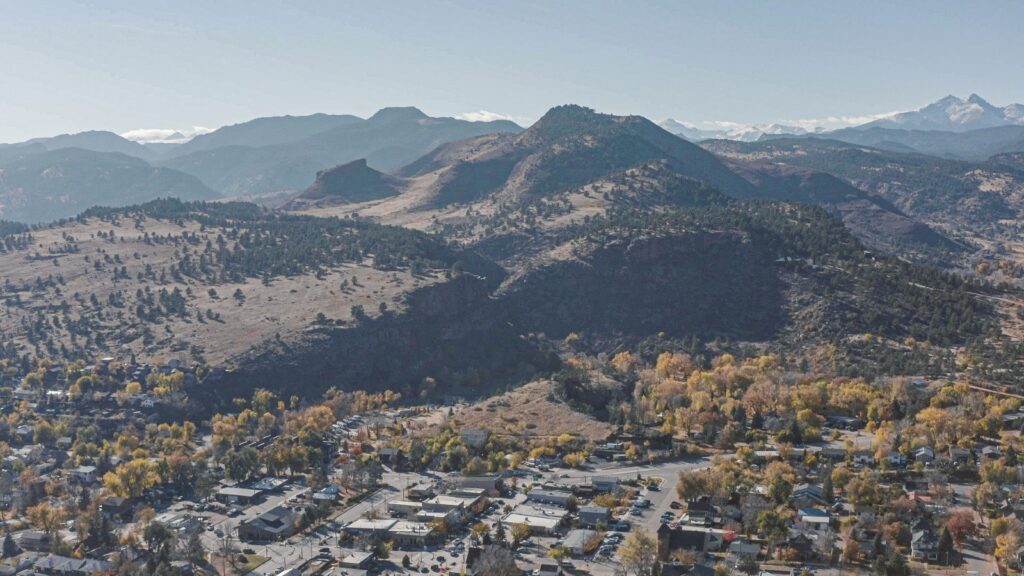
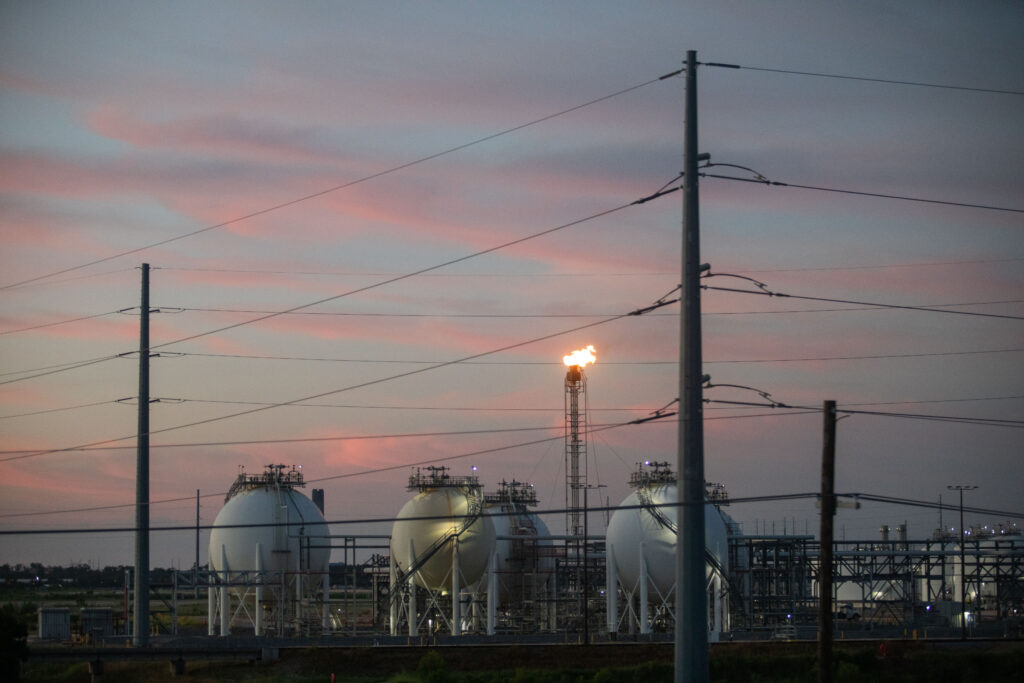
We work to ensure that fossil fuel companies take responsibility for their role in the climate crisis. In Colorado, we represent local governments in a case seeking to recover a fair share of the costs associated with climate adaptation and mitigation from Exxon Mobil and Suncor. At the same time, we are broadening our focus to examine how oil and gas operations are shifting environmental and financial burdens onto communities, especially using legal and campaign strategies to promote stronger government oversight and ensure that the true costs of environmental harm are not unfairly placed on the public.

Swipe to see more
Defense of Indigenous Stewardship
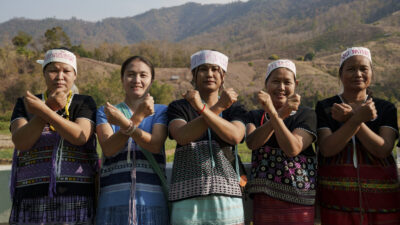
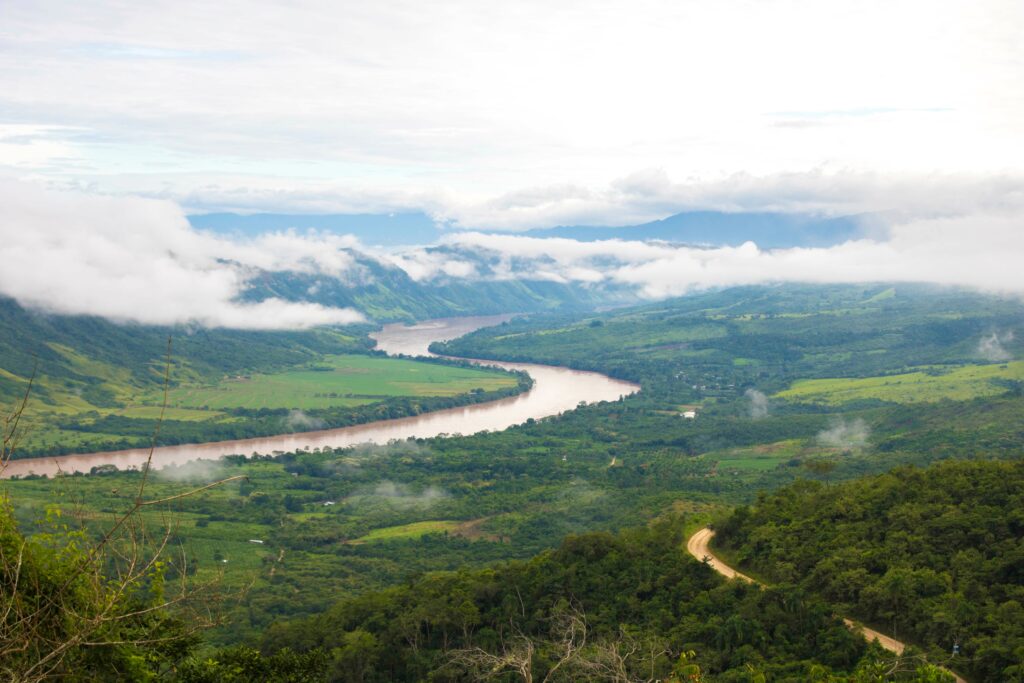
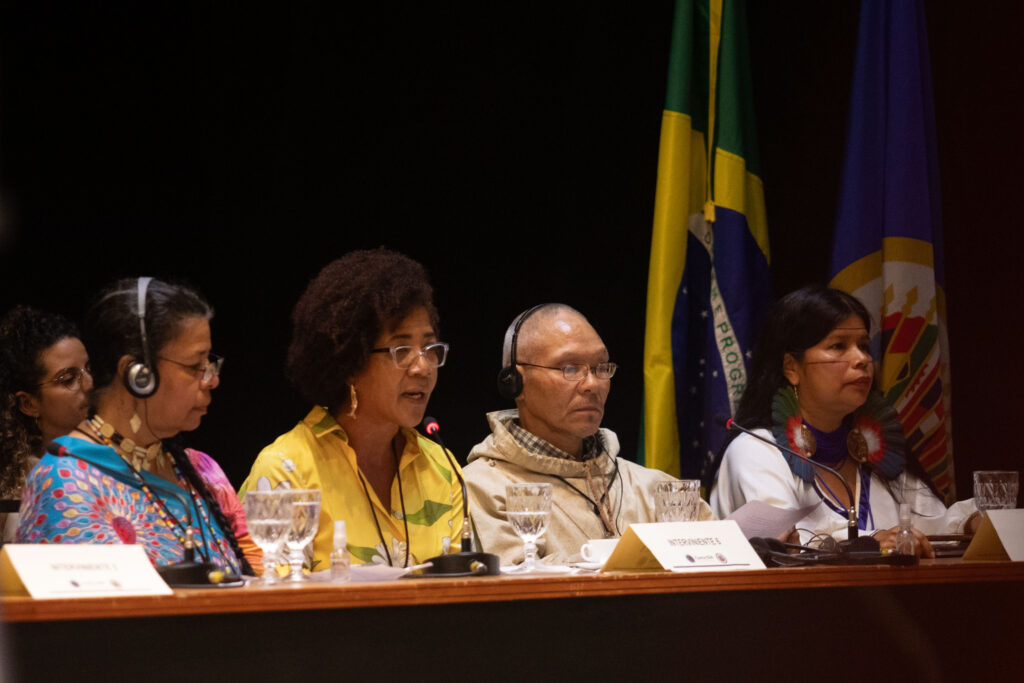
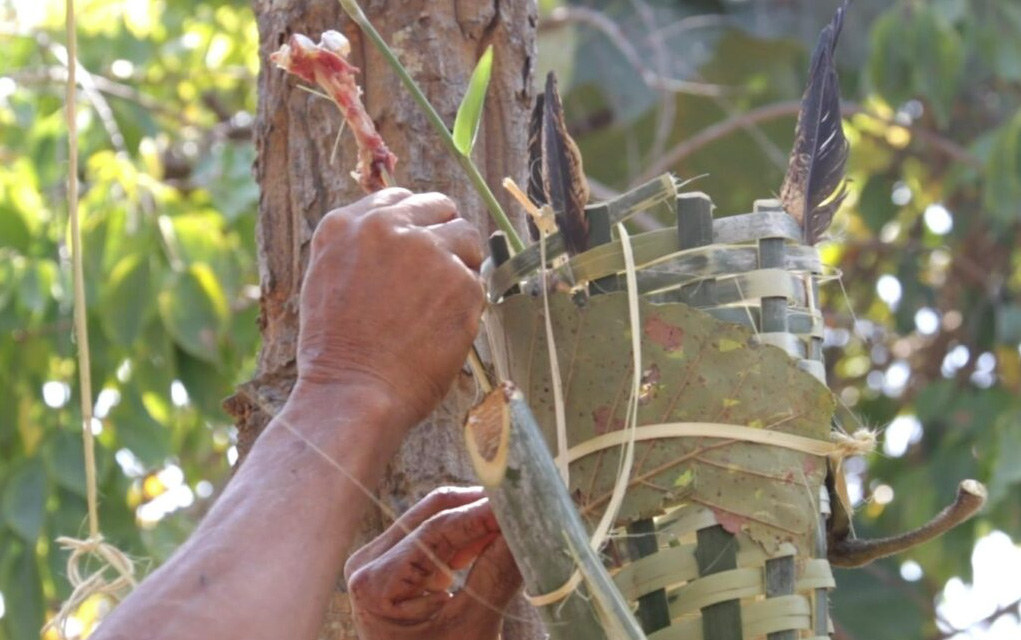
EarthRights partners with Indigenous communities and networks, especially across Latin America and the Mekong Region, to uphold territorial stewardship, defend their rights to self-determination, and demand meaningful state action. The deep-rooted knowledge of Indigenous communities on sustainable governance of forests and ecosystems is essential to both climate mitigation and adaptation – making their leadership critical to global climate resilience. They are also key stewards of vast territories and are at the forefront of defending those lands from deforestation and harmful extraction.
Swipe to see more
Climate Resilience and Environmental Justice
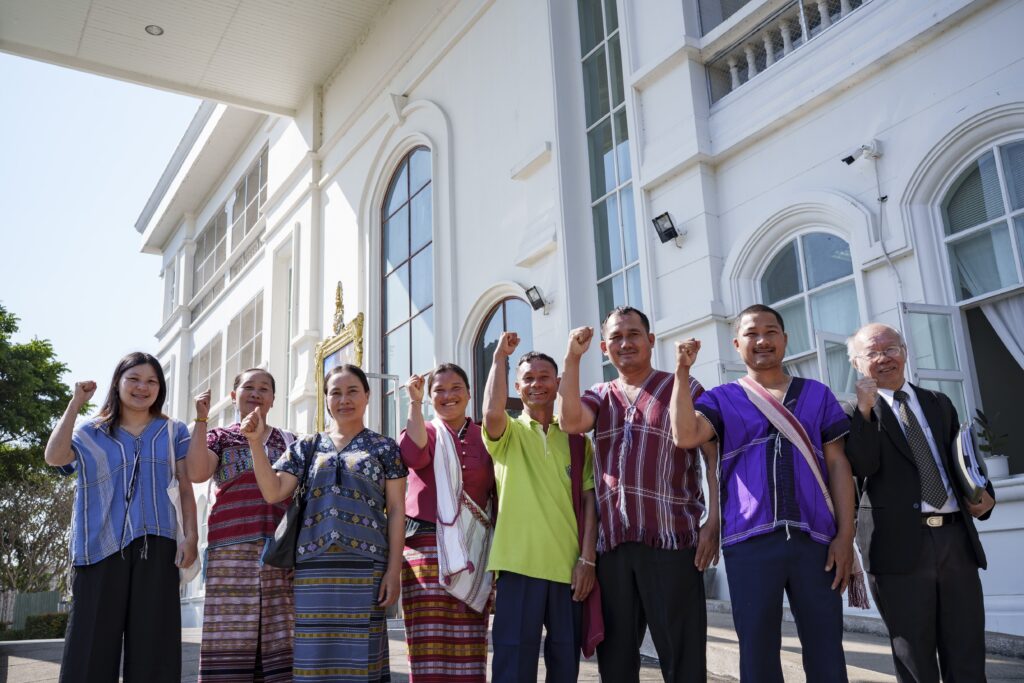
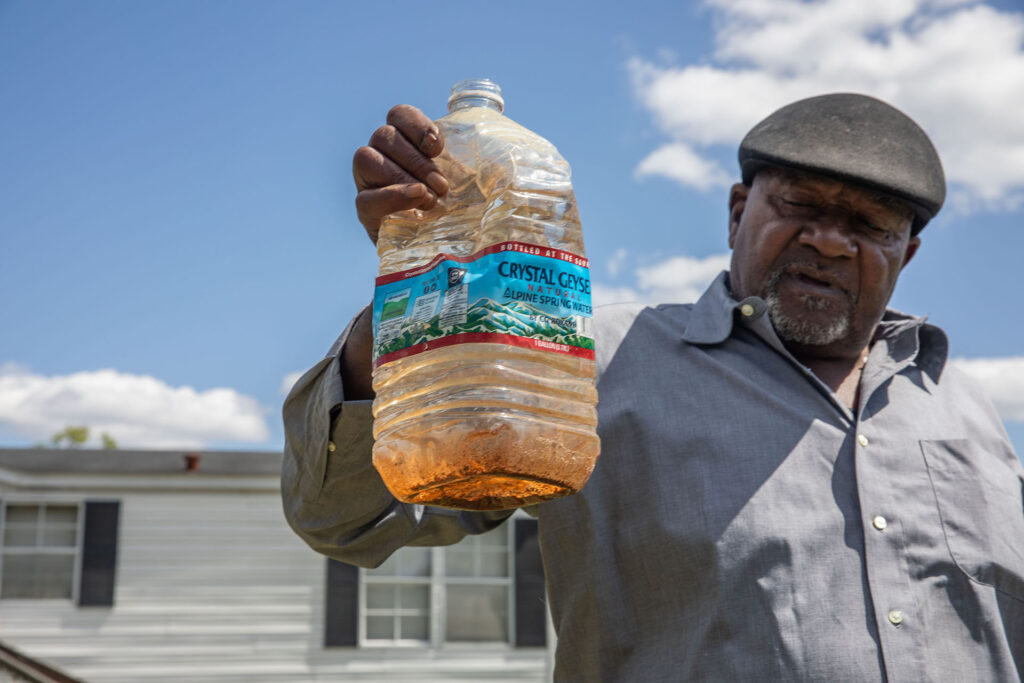
EarthRights’ climate resilience and environmental justice work is built on the premise that the communities most vulnerable to climate impacts are often the communities that experience environmental injustice. Through this work, we partner with communities, especially in the United States and the Mekong Region, to strengthen their capacity to respond to the impacts of climate change, while maintaining a strong commitment to justice and the principle that no group should bear a disproportionate share of climate and environmental burdens.
Our work is guided by local leadership, rooted in the needs and priorities of our community partners, and driven by the desire to build resilience in the face of rising displacement, toxic pollution, and environmental degradation. Through legal support, advocacy, and movement-building, we are helping our partners navigate and challenge the systemic forces fueling these harms.
Swipe to see more
Confronting False Climate Solutions in the Global South
While contributing to global efforts to reduce emissions and accelerate the clean energy transition, EarthRights’ climate work is also about building power in communities, exposing and transforming unjust systems, and creating a climate-just future for all.
Not all climate solutions deliver equitable outcomes. In some cases, initiatives promoted as climate mitigation or clean energy transitions can shift environmental and social burdens to communities in the Global South, particularly Indigenous and rural populations.
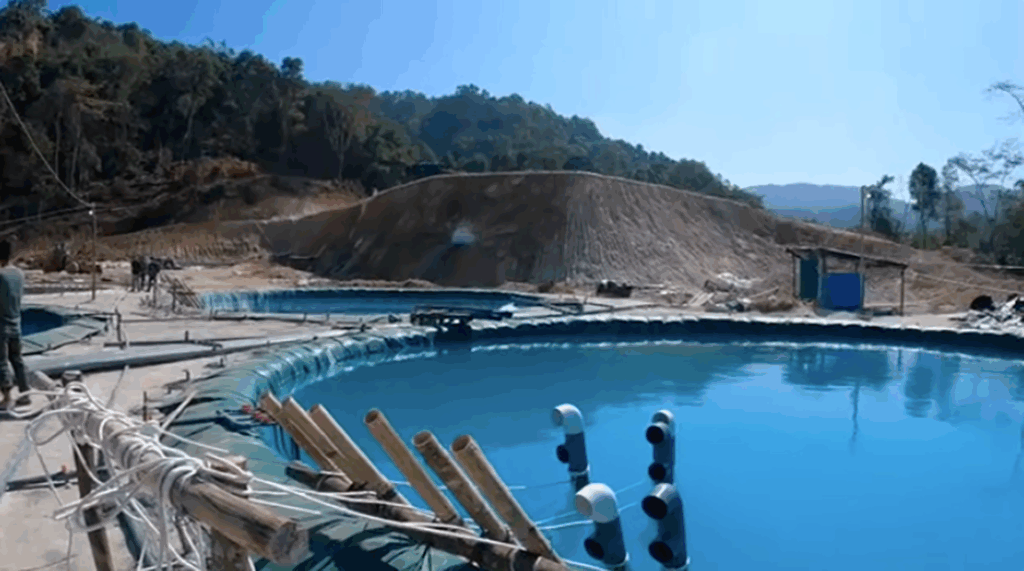
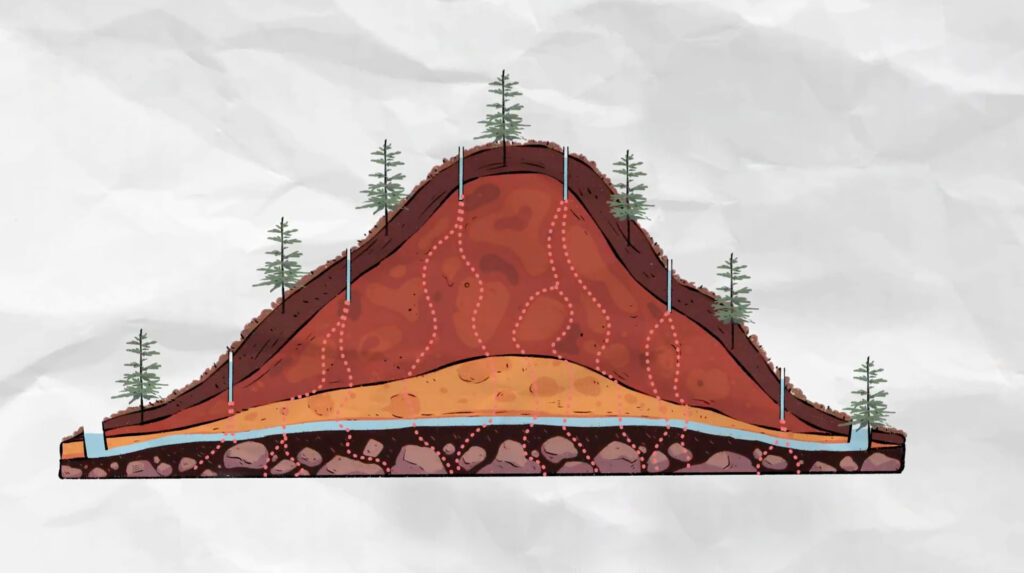
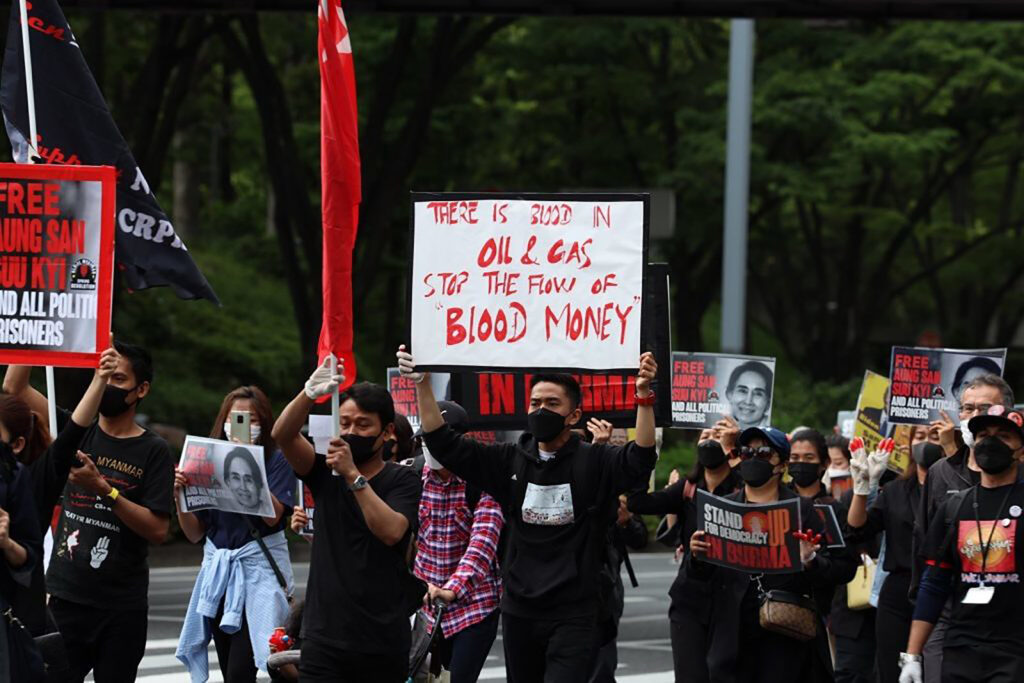
In Cambodia, carbon credit projects tied to voluntary global markets are displacing Indigenous communities from forests they have stewarded for generations, often without meaningful consultation or consent. In Myanmar, rare earth mining—used in the production of electric vehicles and wind turbines—has caused widespread environmental damage through the use of hazardous chemicals, threatening biodiversity and human health.
We work with affected communities to document harms, map land use, and demand accountability from both local actors and international stakeholders involved in supply chains and oversight.
Swipe to see more
Help us fight for Justice
In a world where climate disruption is accelerating, corporate harm often goes unchecked, and threats against advocates continue to rise, our victories remind us where we’re most needed and most effective.