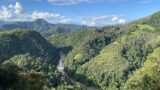
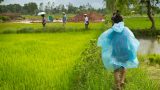
Deep in northeastern Thailand, bordering both Cambodia and Laos, Ubon Ratchathani is about as far from the smoggy chaos of Bangkok and sun-baked throngs of tourists as one could get. For Thai activists, however, this remote province was center stage for several of Thailands most dramatic grassroots campaigns for environmental justice. In August, students from the EarthRights School Mekong traveled to Ubon to meet the community members who dedicated their lives to these struggles.
The Pak Mun dam case has been in the Thai headlines since its completion in 1994. The reservoir it created displaced thousands of people and the fish catch decreased by as much as 80%, with 50 of the 265 species disappearing completely. For 25,000 people living along the Mun River whose income depended almost entirely on fishing, the dam was a disaster. To add insult to injury, it failed to produce anywhere near its projected electricity output.

Our students met with community activists who fought the dam with sustained protests, petitioning the government to pay compensation and decommission the dam. Their efforts were stalled with each change of government, but in 2001 it was agreed that the gates would be opened for at least part of each year. Fish stocks are slowly returning but the fight to destroy the dam entirely continues.
Two hours north of Pak Mun is the small village of Huay Ra Ha, home of Grandma Hai Khanjantha. For three decades she protested the reservoir that flooded her land, impoverishing her family and several others in the village. Her story became international news when she, along with her family and neighbors, broke a hole in the dam with farm tools and began to drain the reservoir while the police looked on. Instead of arresting her, the government agreed to demolish the dam, return her land and, ultimately, compensate her for years of damages.
ERSM students and staff met Grandma Hai in her home and listened to her tell her story, before participating in a traditional Thai ceremony and enjoying a home-cooked local feast.

Field trips like these allow students to see how their training is applied in the real world and are an essential part of the EarthRights Schools. Learning about non-violent grassroots movements firsthand is a tremendous source of inspiration for young activists, and these memorable experiences will stay with them throughout their careers.
Further Reading: Last year, ERSM students collaborated on a blog post about their field trip to Pak Mun, and back in 2007, a journalist accompanied students to the area and published commentary about her trip in the Bangkok Post.
This post was written by Ross Dana Flynn.