Se encuentra usted aquí
Students Reflect on a Field Trip to Pak Mun Dam
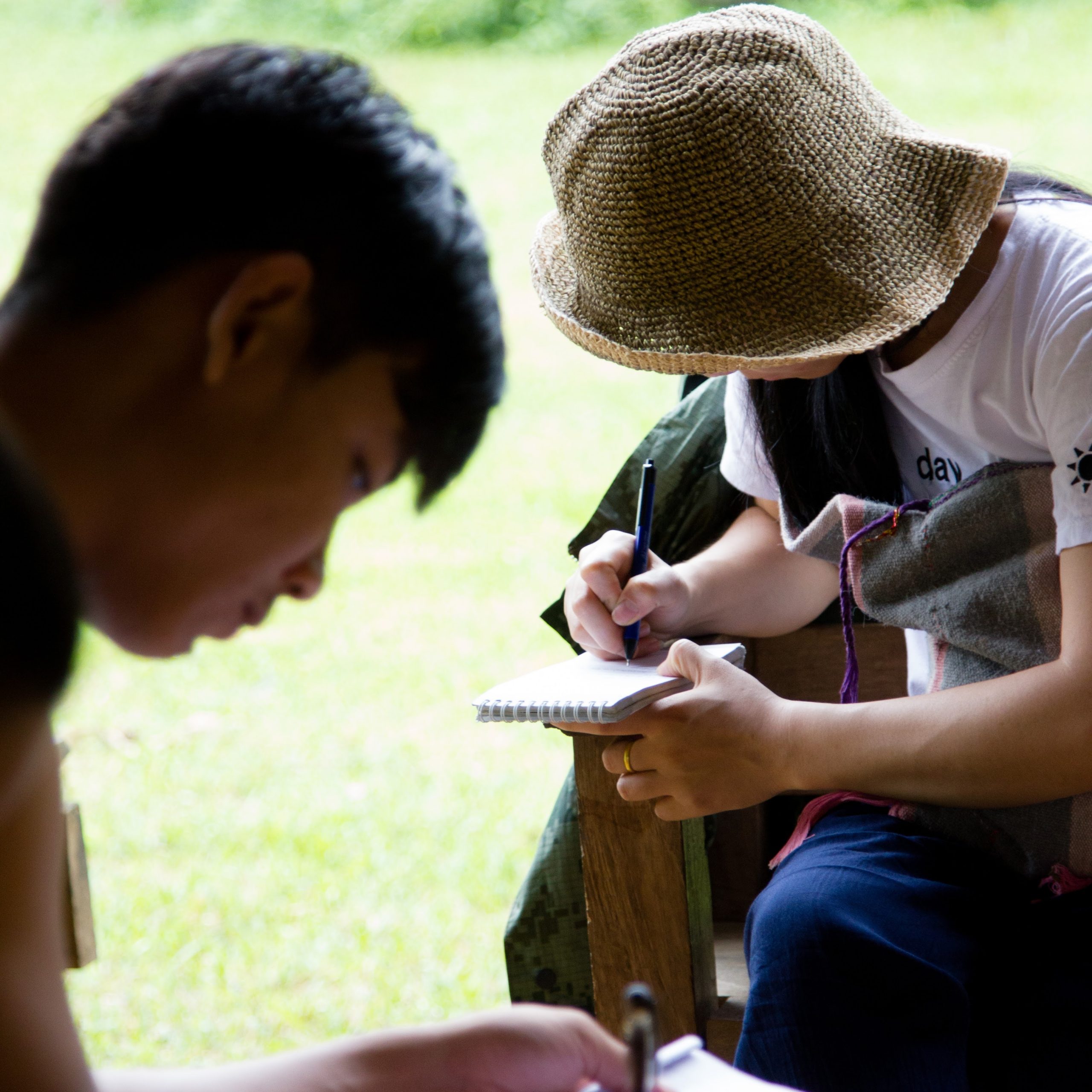
We, the thirteen students of the EarthRights School Burma (ERSB), Class of 2010, went to Ubon Ratchathani province, Northeastern Thailand to research and study about the Pak Mum Dam. The Pak Mum Dam is part of the Third Power System Development Project, which is located approximately 5.5 kilometers upstream from the confluence of the Mun and Mekong Rivers.
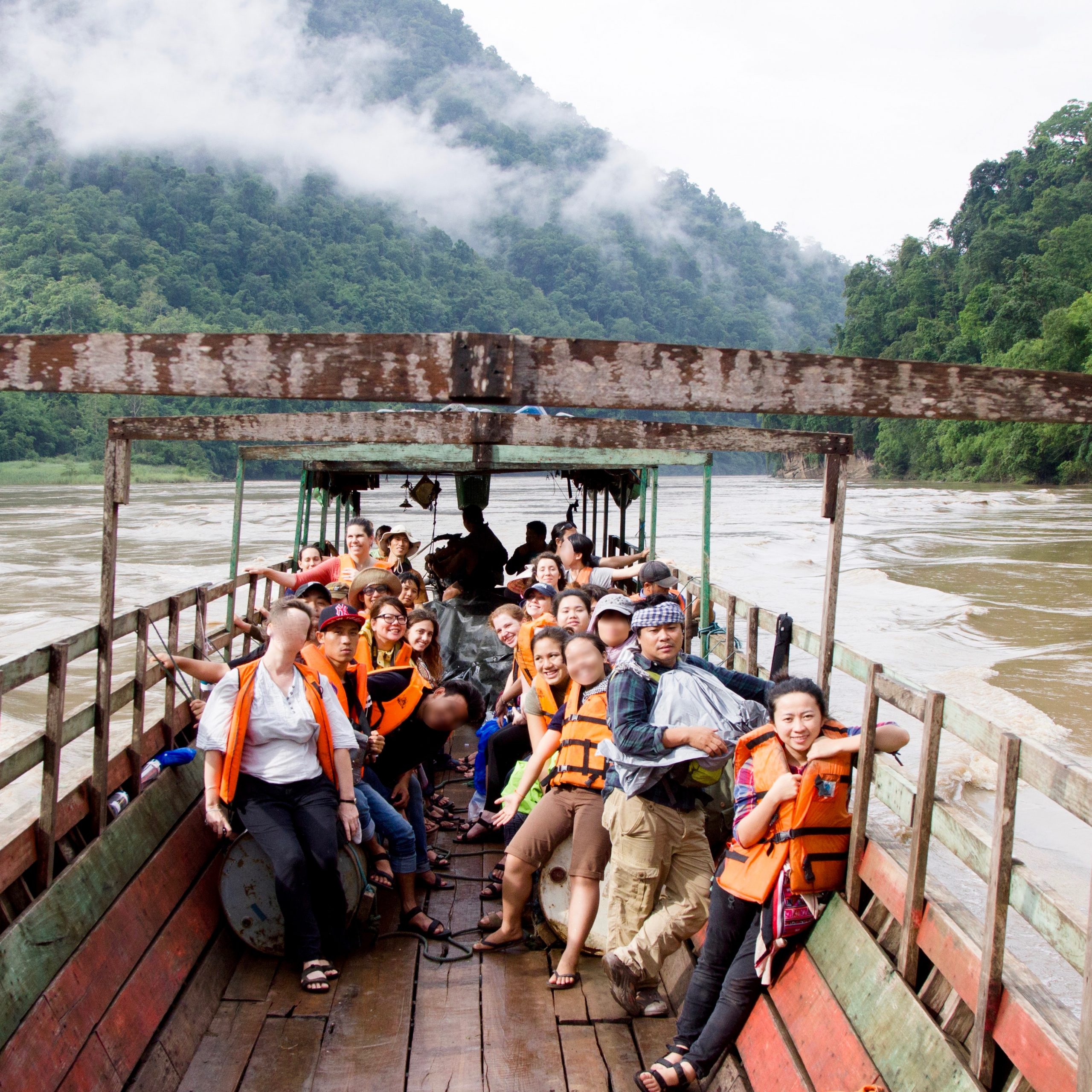
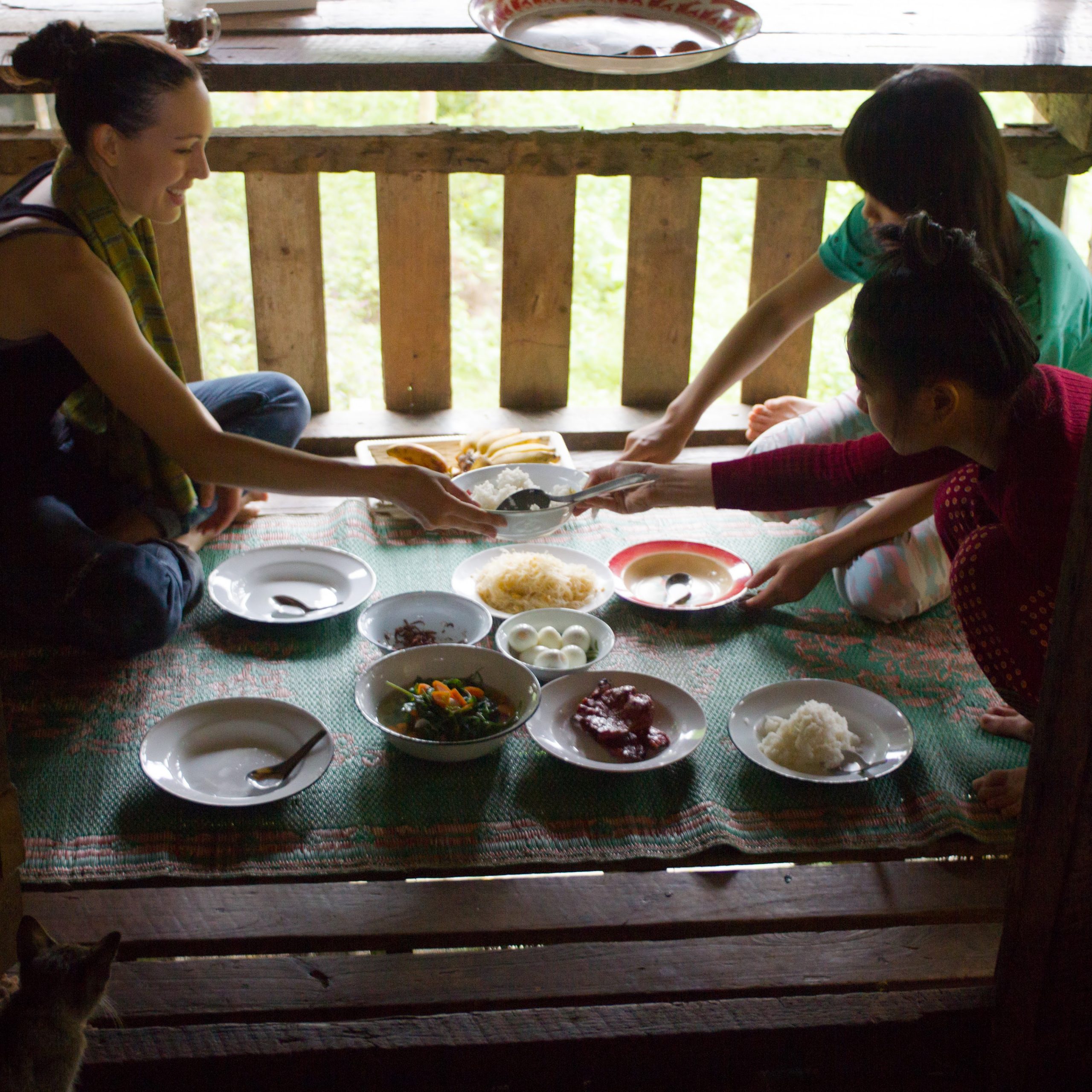
We started our trip on the 18th of April, 2010 with two mini vans. We ate breakfast, lunch and dinner along the way to Ubon province. On the way, something surprised us because before going to Ubon, we thought that the way to Northeastern Thailand would be very dry and hot. But when we saw a lot of trees along the road, we knew that our idea was wrong. That was incredible for us to see! We enjoyed our trip but we could not bear to sit in the van for 16 hours. We arrived at Pak Mum village at midnight. We all were tired.
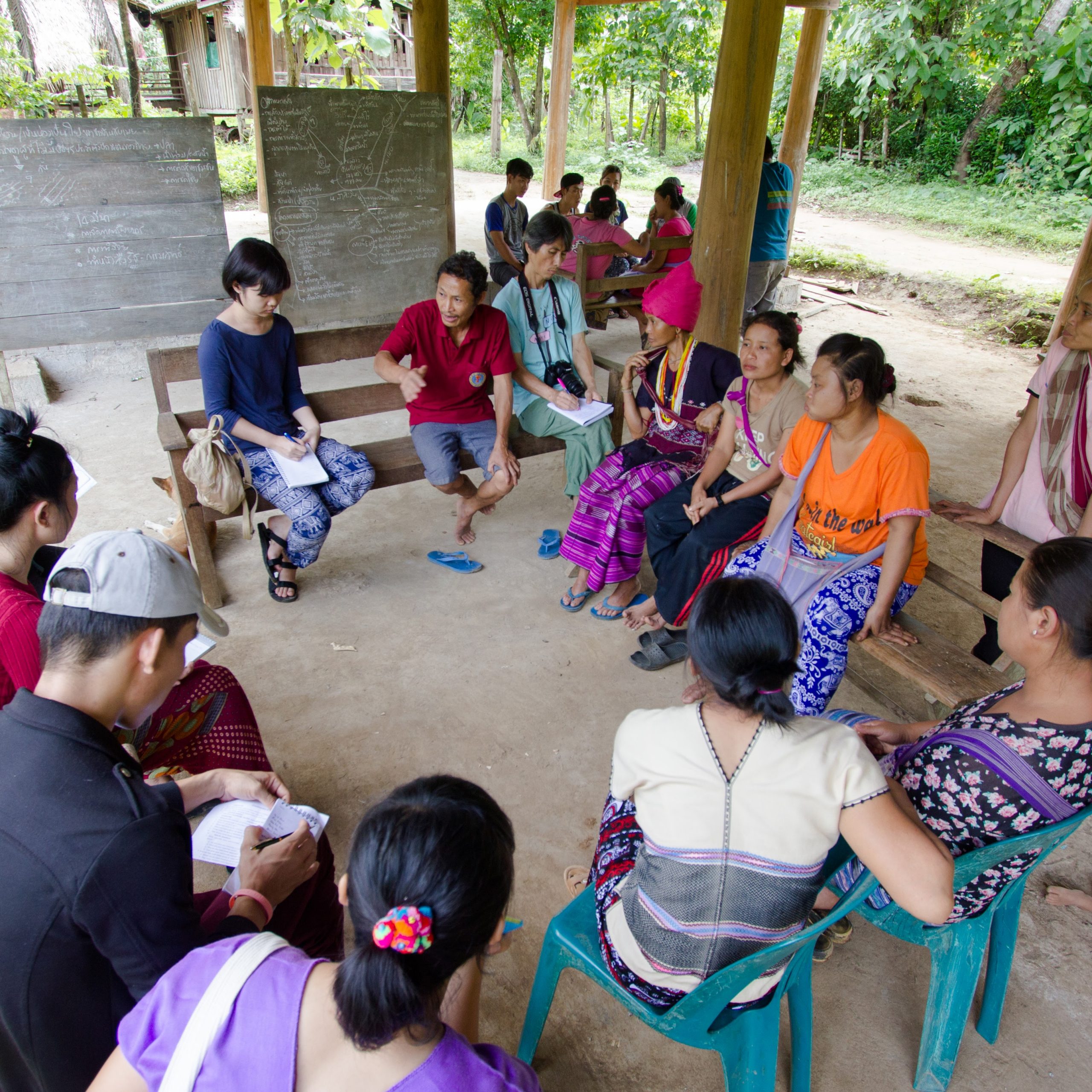
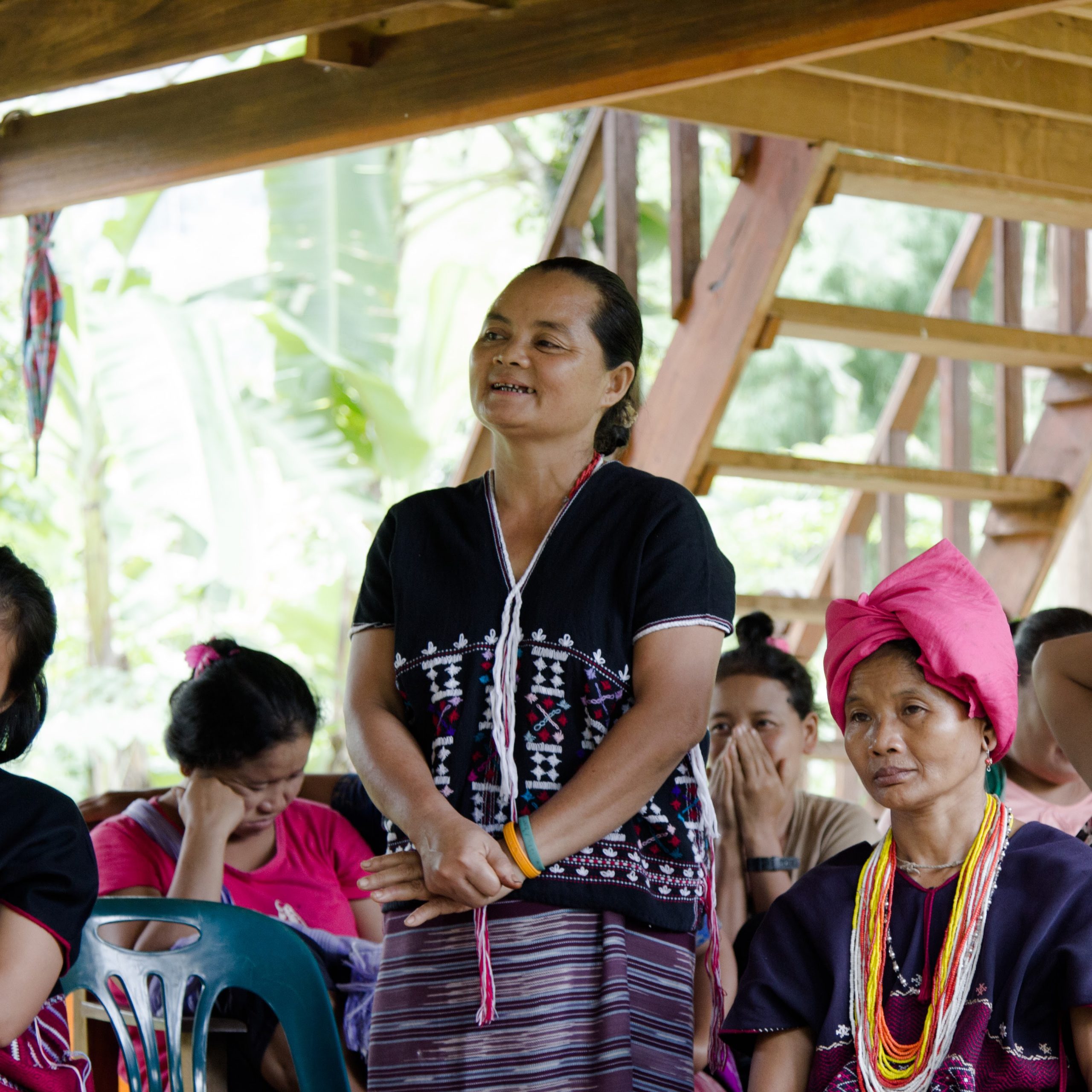
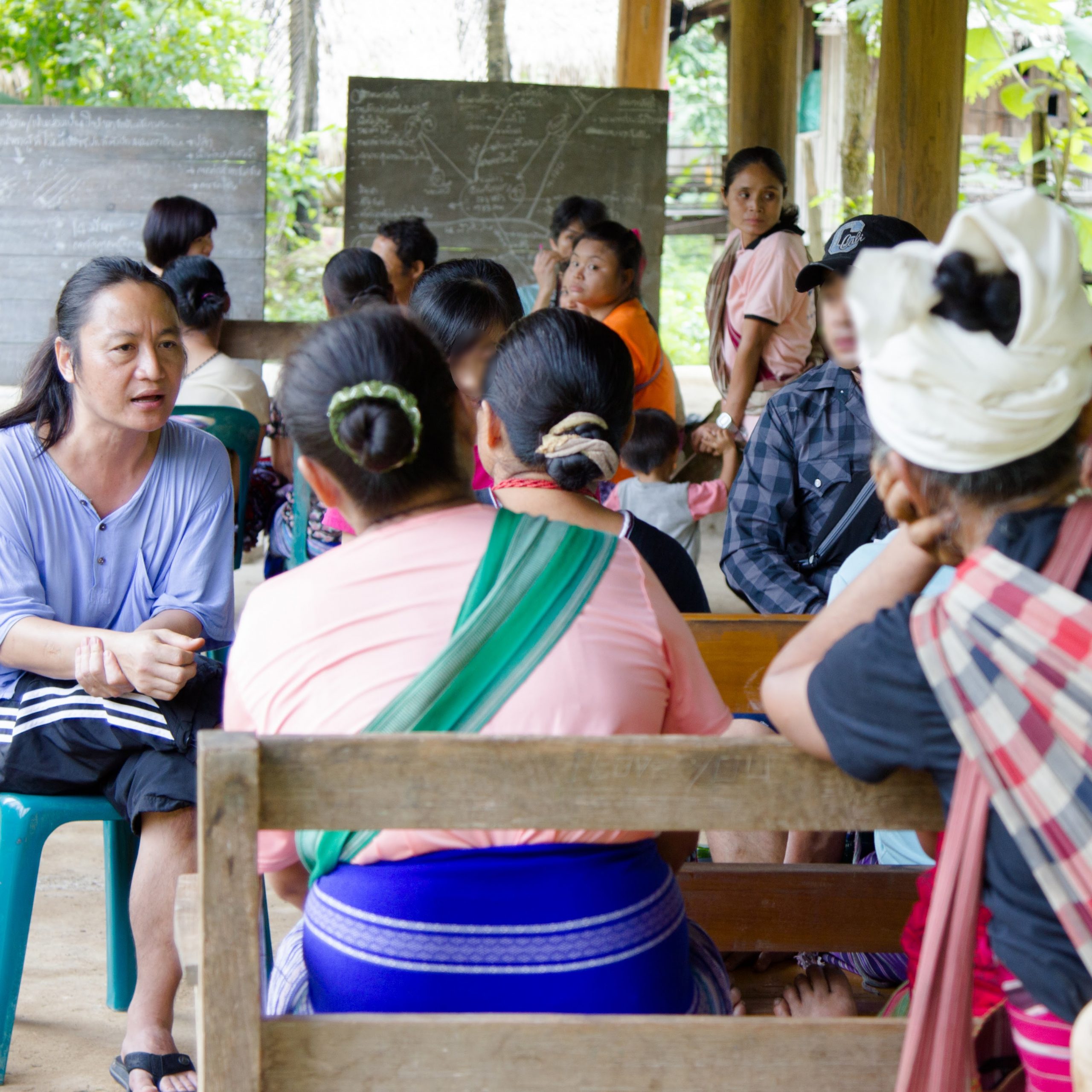
The next morning we got the chance to meet and discuss with protestors against the dam and the members of the Assembly of the Poor (AOP) which is a community based organization that played a key role in the movement of trying to get the affected villagers’ rights and compensation from the government and the Electricity Generating Authority of Thailand (EGAT). We had a question and answer session between us and the community. It was quite an interesting meeting. We could learn about their struggles, commitments, livelihood, social and cultural practices and local ecology. We learned that the river communities value their environment and that their livelihood depends on the natural resources provided by Mun River. Also, their social and cultural practices are based on their environment.
After the Dam was built in 1991, local villagers were forced to relocate. The villagers had to earn their money in new places and they got a lower income. Many young people had to migrate to the cities to work. It had an effect on family structures and traditional practices. Most of the old people now have to live alone. Moreover, the dam caused severe ecological damage and consequently destroyed the villagers’ way of life and violated their rights to food, work, and culture. The Thai Government ignored the local people’s opinions. They decided without local people’s participation, which is very important for a successful and effective development project.
Now, many villagers continue to protest against the dam, hoping to bring back their former lives. One of the villagers said that “if the environment is good, everything will be good. Our struggling is not only for the current generation but also for the future generations. We don’t want our grandchildren to suffer from the environmental destruction.”
The situation in the Pak Mun Dam community is very similar to the situation in Burma, although their situation seems better than ours. In Burma, people face more suffering under the military dictatorship and people have no right to claim their property when it is confiscated by the military. Also, when the government builds a dam, communities in Burma do not get compensation or housing from the government. They are forced to relocate and work. The people have no chance to express their voice. They never get back their rights from the government. From the trip to Pak Mum Dam, we gained inspiration and ideas about how to struggle for our rights. We have to struggle, though we have a lot of obstacles.


Join EarthRights International on Facebook