Desde 2007, la multinacional bananera Chiquita Brands International enfrenta miles de demandas en Estados Unidos por financiar a las Autodefensas Unidas de Colombia (AUC), una organización paramilitar responsable de cometer crímenes atroces contra la población civil en Colombia como asesinatos, masacres, torturas, desapariciones y desplazamientos forzados.
Tras 17 años de proceso judicial, finalmente se llevó a cabo el primer juicio contra Chiquita. En un veredicto histórico, el 10 de junio de 2024, el jurado declaró a la multinacional responsable de la violación de derechos humanos de las víctimas y ordenó reparar a los familiares de ocho víctimas colombianas asesinadas por las AUC.
Aún hay miles de demandas de víctimas que esperan llegar a juicio y obtener justicia.
ASPECTOS LEGALES
Es esencial establecer los criterios jurídicos para determinar cuándo una empresa y sus directivos pueden ser considerados responsables de violaciones a los derechos humanos cometidas por un grupo terrorista financiado ilegalmente por la misma empresa. Para determinar si estas denuncias pueden ser juzgadas bajo las leyes estatales de Estados Unidos o la legislación extranjera.
A pesar de que el Gobierno de los Estados Unidos designó a las AUC como una organización terrorista en 2001, Chiquita continuó financiándolas, priorizando sus ganancias a costa de la vida de colombianos inocentes.
En 2007, tras una investigación judicial del Departamento de Justicia de Estados Unidos, Chiquita admitió su culpabilidad por financiar a un grupo terrorista y pagó una multa de $25 millones de dólares. Este mismo año interpusimos una demanda civil en nombre de cientos de víctimas.
En 2024, por primera vez, un grupo de nueve víctimas fue escuchada ante un Tribunal en Florida. El jurado encontró a Chiquita responsable y ordenó reparar a las víctimas.
Cientos de familias buscan justicia por parte del gigante bananero Chiquita Brands, que admitió haber financiado años ilegalmente a las AUC.
Asimismo, se acusa a antiguos ejecutivos de Chiquita, a título personal, por las decisiones y acciones tomadas en sus respectivas funciones en el momento de los hechos.
(11th Circuit Court of Appeals) Brief of Amici Curiae Human Rights Practitioners and Scholars in Support of Plaintiffs-Appellants and Supporting Reversal – June 2020
(11th Circuit Court of Appeals) Plaintiffs-Appellants’ Reply Brief and Cross-Appellees’ Response to Cross-Appeal – September 2020
(11th Circuit Court of Appeals) Defendants-Appellees’/Cross-Appellants’ Response Brief and Cross-Appeal Opening Brief – July 2020
(11th Circuit Court of Appeals) Plaintiffs-Appellants’ Opening Brief- May 2020
Jane Doe 8 v. Chiquita Complaint (New Claims) – March 2020
Summary Judgment Decision-September 2019
Chiquita Supreme Court Petition
Petition for Rehearing and Rehearing En Banc – August 2014
Chiquita 11th Circuit Opinion – July 2014
Plaintiffs’ Appellees Cross-Appellants’ Response Brief and Cross-Appeal Opening Brief – July 2013
Chiquita Merits Brief on Interlocutory Appeal – May 2013
Chiquita Motion to Dismiss Order – June 2011
Defendants’ Memorandum in Support of Consolidated Motion to Dismiss Amended Complaints – April 2010
Plaintiffs’ Supplemental Response in Opposition to Defendants’ Consolidated Motion to Dismiss the Complaints – May 2010
First Amended Class Action Complaint for Damages – February 2010
Reply in Support of Defendants’ Consolidated Motion to Dismiss Complaints – September 2008
New Jersey Plaintiffs’ Separate Memorandum of Law in Opposition to Defendants’ Motion to Dismiss State Law Claims – August 2008
Plaintiffs’ Response in Opposition to Defendants’ Consolidated Motion to Dismiss the Complaints – August 2008
Chiquita Motion to Dismiss – July 2008
CRONOLOGÍA
DEL CASO
EL CASO EN
LOS MEDIOS
¿QUÉ VIENE EN EL CASO CONTRA CHIQUITA BRANDS?
EL CASO
La relación de Chiquita con el grupo paramilitar de las AUC y sus implicaciones en el conflicto armado en Colombia.
EL JUICIO
Chiquita Brands fue encontrada responsable de violaciones a los derechos humanos en Colombia.
LA APELACIÓN DEL VEREDICTO
La reparación a las víctimas no se hará efectiva hasta que se resuelva la posible apelación por parte de Chiquita.
LO QUÉ VIENE EN EL CASO CHIQUITA
Continuamos trabajando para que todos los demandantes obtengan justicia.
LA OSCURA HISTORIA DE CHIQUITA BRANDS EN COLOMBIA
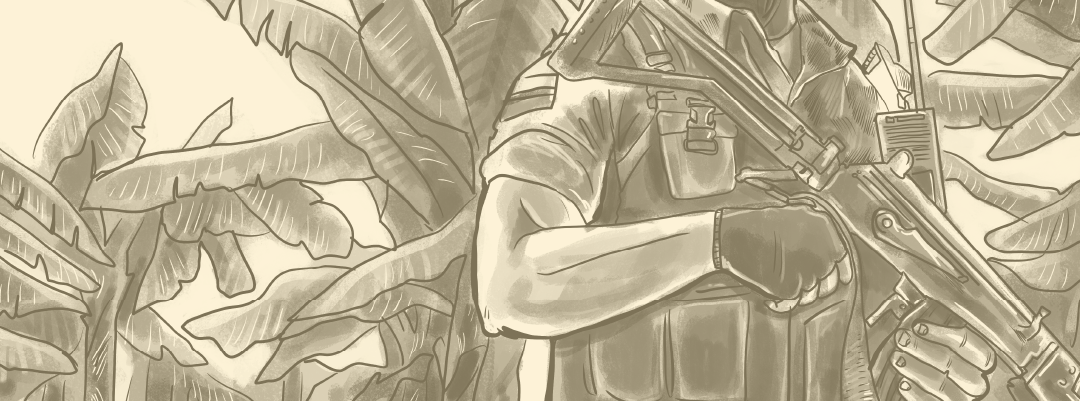
La presencia de la multinacional bananera en Colombia ha estado marcada por un historial de violencia.
La United Fruit Company, hoy Chiquita Brands, estuvo involucrada en la masacre de las bananeras de 1928, en la que más de 1.000 trabajadores fueron asesinados mientras luchaban por derechos laborales.
Casi 70 años después, en 1997, Chiquita pactó pagar 3 centavos por cada caja de banano exportada al grupo paramilitar de las AUC, lo que contribuyó a desatar una ola de violencia en la región.
El relato de una de las víctimas muestra los actos de violencia y desplazamiento que sufrieron miles de personas en la región bananera de Colombia.