သတင်းထုတ်ပြန်ချက်
ကနေဒါ/ထိုင်း/မြန်မာ – မြန်မာနိုင်ငံ ရခိုင်ပြည်နယ်ရှိ လူဦးရေ နှစ်သိန်းခန့်သည် လူသားမျိုးနွယ် အပေါ် ကျူးလွန်သည့် ရာဇဝတ်မှုများကြောင့် ကနေဒါနိုင်ငံက ဒဏ်ခတ်အရေးယူထားသော စစ်ကောင်စီ၏ ထိန်းချုပ်မှုအောက်တွင် ဆောက်လုပ်နေသည့် အကြီးစားအခြေခံအဆောက်အအုံ စီမံကိန်း၏ တိုက်ရိုက်သက်ရောက်မှုရှိသည့်ဒေသအတွင်း နေထိုင်လျက်ရှိပါသည်။ သို့ရာတွင် အိုးအိမ်နှင့် အသက်မွေးဝမ်းကျောင်းများ ဆုံးရှုံးနိုင်သော ဒေသခံများနှင့် အဓိပ္ပာယ်ရှိသည့် တိုင်ပင် ဆွေးနွေးမှု မရှိဘဲ ကနေဒါကုမ္မဏီတစ်ခုသည် ဖော်ပြပါစီမံကိန်း၏ ရေနက်ဆိပ်ကမ်း အတွက် ပတ်ဝန်းကျင်ထိခိုက်မှုဆန်းစစ်ခြင်းကို ကြီးကြပ်ဆောင်ရွက်နေကြောင်း ကနေဒါ နိုင်ငံအဆင့် ဆက်သွယ်ရန်ရုံး (National Contact Point) သို့ မကြာသေးမီက တင်သွင်းထားသည့် တိုင်ကြားစာ တွင် ဖော်ပြထားပါသည်။
ယနေ့တွင် ကျောက်ဖြူဒေသခံတစ်ဦးနှင့်အတူ လူ့အခွင့်အရေးအဖွဲ့အစည်းသုံးဖွဲ့တို့သည် ကနေဒါ ကုမ္မဏီ Hatch Associates Ltd. (Hatch) အား Organization for Economic Co-operation and Development (OECD) က သတ်မှတ်ထားသော လမ်းညွှန်ချက်များကို ချိုးဖောက် ခဲ့သည်ဟု စွဲချက်တင်ကာ ကနေဒါနိုင်ငံအဆင့်ဆက်သွယ်ရန်ရုံး(NCP) သို့ တိုင်ကြားစာ တင်သွင်းခဲ့ပါသည်။ အဆိုပါတိုင်ကြားချက်သည် ကုလသမဂ္ဂက မြန်မာနိုင်ငံ၏ တရားဝင်အစိုးရအဖြစ် အသိအမှတ် မပြုထားသော စစ်ကောင်စီလက်အောက်တွင်ရှိသည့် ပဋိပက္ခဒေသအတွင်း တည်ရှိသော အကြီးစား ဖွံ့ဖြိုးရေးစီမံကိန်းတွင် Hatch Associates Ltd. (Hatch) ကုမ္မဏီမှ ပါဝင်ဆောင်ရွက်နေမှုနှင့် သက်ဆိုင်ပါသည်။
အဆိုပါတိုင်ကြားစာကို စီမံကိန်းဒေသမှ ဒေသခံတစ်ဦး၊ EarthRights International (EarthRights)၊ တိုရွန်တိုတက္ကသိုယ် ဟင်နရီအင်န်အာဂျက်မန်ဥပဒေဌာနမှ နိုင်ငံတကာ လူ့အခွင့်အရေးစီမံကိန်း International Human Rights Program (IHRP) နှင့် International Commission of Jurists (ICJ) တို့က ပူးပေါင်းတင်သွင်းခဲ့ခြင်းဖြစ်ပါသည်။ OECD အဖွဲ့၏လမ်းညွှန်ချက်များနှင့် ကုလသမဂ္ဂ စီးပွားရေးလုပ်ငန်းများနှင့် လူ့အခွင့်အရေးဆိုင်ရာ လမ်းညွှန်အခြေခံမူများတို့သည် စီးပွားရေး လုပ်ငန်းများကို မည်သို့မည်ပုံတာဝန်သိစွာ ဆောင်ရွက်ရန် ပြဌာန်းထားသော အဓိကကျသည့် နိုင်ငံတကာစံနှုန်းများဖြစ်ပါသည်။ အဆိုပါ လမ်းညွှန်ချက်များကို ချိုးဖောက်မှုဆိုင်ရာ တိုင်ကြားချက် များအား လက်ခံဖြေရှင်းရန် ကနေဒါနိုင်ငံအဆင့်ဆက်သွယ်ရန်ရုံး (NCP) ကို ၂၀၀၀ ခုနှစ်တွင် တည်ထောင်ဖွဲ့စည်းခဲ့ပါသည်။
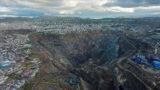
ပတ်ဝန်းကျင်ထိခိုက်မှုဆန်းစစ်ခြင်း နယ်ပယ်အတိုင်းအတာသတ်မှတ်ခြင်း အစီရင်ခံစာ အရ ကျောက်ဖြူမြို့နယ်ရှိ ကျေးရွာ ၁၆ ရွာသည် ကျောက်ဖြူအထူးစီးပွားရေးဇုန် ရေနက်ဆိပ်ကမ်း စီမံကိန်း တည်ဆောက်မှု တိုက်ရိုက်သက်ရောက်သည့်ဇုန် တွင်တည်ရှိနေပါသည်။ အဆိုပါ စီမံကိန်း တွင် ကျွန်းနှစ်ကျွန်းပေါ် ဆောက်လုပ်မည့်ရေနက်ဆိပ်ကမ်းနှင့် ယင်းဆိပ်ကမ်းကိုချိတ်ဆက်မည့် ၁၅ ကီလိုမီတာ လမ်းတို့ ပါဝင်ပါသည်။
“EarthRights အဖွဲ့ရဲ့ အမြင်အရ မြေသိမ်းယာသိမ်းတွေစတင်ရှိလာစေပြီး အတင်းအဓမ္မ ရွှေ့ပြောင်းခံရမှုတွေ၊ အစဉ်အဆက်အသက်မွေးဝမ်းကျောင်းမှုပုံစံ ပျက်စီးမှုတွေနဲ့ ပတ်ဝန်းကျင်ကို ထာဝရပြောင်းလဲစေ နိုင်တဲ့ အန္တရာယ်မြင့်မားတဲ့ စီမံကိန်းကြီးကို ကြီးကြပ်ရာမှာ Hatch Associates Ltd. (Hatch) ကုမ္မဏီက ပါဝင် နေပါတယ်” ဟု EarthRights အဖွဲ့၏ မဲခေါင်ဒေသဥပဒေရေးရာဒါရိုက်တာ ဘန်ဟာတ်မန် က ပြောကြားပါသည်။ “အရပ်ဘက်အဖွဲ့အစည်းတွေဘက်က ဆွေးနွေးဖို့တောင်းဆိုချက်တွေကို သူတို့တွေ လျစ်လျူရှုခဲ့ကြပြီး ဒီစီမံကိန်းကို ရပ်ဆိုင်းဖို့ လူသိရှင်ကြား တောင်းဆိုရမယ့်အစား စစ်ဖြစ်နေတဲ့ ဒေသမှာ အမည်ခံ တိုင်ပင်ဆွေးနွေးမှု ဆက်လက်လုပ်ဆောင်နိုင်အောင် အထောက် အကူပေးနေပုံ ပေါ်ပါတယ်”။
၂၀၂၁ ခုနှစ် တရားမဝင် အာဏာသိမ်းမှုနောက်ပိုင်း ကုလသမဂ္ဂ အေဂျင်စီများ၊ ကျွမ်းကျင်သူများနှင့် အခြားအဖွဲ့အစည်းများက မြန်မာစစ်တပ်၏ အရပ်သားများအပေါ် အကြမ်းဖက်တိုက်ခိုက်မှုများကို မှတ်တမ်းတင်ဖော်ပြခဲ့ကြပါသည်။ အဆိုပါလုပ်ရပ်များတွင် တရားလက်လွတ် အစုလိုက်အပြုံလိုက် သတ်ဖြတ်မှုများ၊ မုဒိမ်းမှုနှင့် အခြားလိင်ပိုင်းဆိုင်ရာ အကြမ်းဖက်မှုများအပါအဝင် ညှဉ်းပန်း နှိပ်စက်မှုများ၊ လေကြောင်းတိုက်ခိုက်မှုများနှင့် ကျေးရွာများကို မီးရှို့ဖျက်ဆီးမှုများ ပါဝင်ပါသည်။ စစ်ကောင်စီ၏ တိုက်ခိုက်မှုများကြောင့် စီမံကိန်းအစိတ်အပိုင်းများဖြစ်သည့် ရမ်းဗြဲကျွန်းရှိ ဆိပ်ခံ နှင့် ချဉ်းကပ်လမ်းတို့ တည်ဆောက်မည့် ကျေးရွာများ ပျက်စီးသွားခဲ့ပါသည်။ ကနေဒါ အပါအဝင် နိုင်ငံ အများအပြားက စစ်ကောင်စီအပေါ် တင်းကျပ်သော ဒဏ်ခတ်အရေးယူမှုများ ချမှတ်ထားပါသည်။ နော်ဝေ နှင့် ဒိန်းမတ်နိုင်ငံတို့ ရှိ NCP ရုံး များကလည်း မြန်မာနိုင်ငံအခြေအနေ၏ ဆိုးဝါးပြင်းထန်မှုကို အသိအမှတ်ပြုပြီး ကုမ္ပဏီများအား due diligence ပိုမိုဆောင်ရွက်ရန် တိုက်တွန်းထားပါသည်။
“တရားမဝင် စစ်ကောင်စီက အစုလိုက်အပြုံလိုက် ရာဇဝတ်မှုတွေ ကျူးလွန်နေပြီး စီးပွားရေး နဲ့ လူမှုအခွင့်အရေးတွေကိုလည်း စနစ်တကျ ငြင်းပယ်နေတယ်။ ဒီလိုအခြေအနေမှာ ဒီစီမံကိန်းက သက်ရောက်ခံပြည်သူတွေရဲ့ ဘဝကို တိုးတက်စေမယ့် အစား မခံမရပ်နိုင်လောက်အောင် ဆိုးရွားတဲ့ လက်ရှိ အခြေအနေကို ဒီထက်ပိုပြီး ဆုတ်ယုတ် စေမှာ ဖြစ်ပါတယ်” ဟု ICJ ၏ အာရှပစိဖိတ်ပရိုဂရမ်ဒါရိုက်တာ မန်ဒီရာရှာမာ က ပြောကြားပါသည်။
စစ်ကောင်စီက စီမံကိန်းတိုးတက်နေသည်ဟု ဆိုသော်လည်း EIA လုပ်ငန်းစဉ်သည် မပြီးပြတ် သေးပေ။ ယနေ့အချိန်အထိ လုပ်ဆောင်ခဲ့သော လုပ်ငန်းစဉ်များသည် ဒေသခံများမှ အချက်အလက် ပြည့်စုံစွာ သိရှိနားလည်နိုင်ပြီး အဓိပ္ပာယ်ရှိသော တိုင်ပင်ဆွေးနွေးမှုများ ရှိရမည်ဆိုသည့် လမ်းညွှန်ချက်ကို ပြည့်မှီမှုမရှိသလို စီမံကိန်း၏ လူ့အခွင့်အရေးနှင့် ပတ်ဝန်းကျင်ဆိုင်ရာ သက်ရောက်မှုများကိုလည်း လုံလောက်စွာ အကဲဖြတ်နိုင်ခြင်းမရှိကြောင်း တိုင်ကြားစာတွင် ဖော်ပြထားပါသည်။ ယခုအခါ ကျောက်ဖြူမြို့နယ်သည် ပဋိပက္ခဖြစ်ပွားနေပြီး စစ်ကောင်စီ တပ်ဖွဲ့များနှင့် အာရက္ခတပ်တော် (AA) တို့အကြား တိုက်ပွဲများ ပိုမိုပြင်းထန်လာသည့် အတွက် အဓိပ္ပာယ်ရှိသော တိုင်ပင်ဆွေးနွေးမှု ဆောင်ရွက်ရန် မဖြစ်နိုင်တော့ပေ။
“ကျွန်တော်က ဒီမှာပဲမွေးတယ် မိသားစုအဆက်ဆက်ကလဲ ဒီမြေပေါ်မှာ လယ်ယာ လုပ်ကိုင် လာခဲ့တာ။ ကျွန်တော်တို့ အနာဂတ်အတွက် ဘာတွေလိုချင်သလဲဆိုတာ ဘယ်သူကမှ မမေးခဲ့ဘူး။ အခုတော့ ဒီနေရာမှာ တိုက်ပွဲတွေကြားထဲ ဆိပ်ကမ်းကြီးနဲ့ စက်မှုဇုန်ကို လုပ်ကြမယ်။ ကျွန်တော်တို့ကိုလာ တိုင်ပင်ခဲ့တာ မရှိပါဘူး။ ကျွန်တော်တို့တွေ ဒီမှာ ရှိနေတယ်၊ ကျွန်တော်တို့ အသံတွေကလဲ အရေးကြီးတယ်ဆိုတာ ကမ္ဘာကို သိစေချင်လို့ ဒီတိုင်ကြားစာကို တင်သွင်းတာပါ” ဟု လုံခြုံရေးအရ အမည်မဖော်ပြထားသည့် ကျောက်ဖြူဒေသခံ ပူးတွဲတိုင်ကြားသူတစ်ဦးက ပြောကြား ပါသည်။
ဤအခြေအနေများအောက်တွင် တိုင်ကြားစာသည် EIA လုပ်ငန်းစဉ်ကို ကြီးကြပ်ဆောင်ရွက် နေသော နည်းပညာအကြံပေး နှင့် စီမံကိန်းစီမံခန့်ခွဲရေးအတိုင်ပင်ခံ ဖြစ်သည့် Hatch Associates Ltd. (Hatch) ကုမ္မဏီကို ချက်ချင်းဆောင်ရွက်ရမည့်အချက်များအား အကောင်ထည်ဖော်ရန် အောက်ပါအတိုင်းတောင်းဆိုထား ပါသည်။
၁။ EIA လုပ်ငန်းစဉ်ကို ရပ်ဆိုင်းရမည်ဖြစ်ပြီး EIA လုပ်ငန်းစဥ်များ အမှန်တကယ် ပြန်လည်စတင်နိုင်သည့်အချိန်အတွက် လိုအပ်သော ပြင်ဆင် မှုများကို ဆောင်ရွက်ထားရှိရန် ။ စီမံကိန်းဒေသတစ်လျှောက် စစ်ပွဲများဖြစ်ပွားနေချိန်တွင် တရားဝင်မှုရှိပြီး ယုံကြည်စိတ်ချရသော EIA လုပ်ငန်းစဉ်ကို ဆောင်ရွက်နိုင် လိမ့်မည်မဟုတ်ပါ။ သက်ရောက်ခံဒေသနေပြည်သူလူထုနှင့် အဓိပ္ပာယ်ရှိသော တိုင်ပင်ဆွေးနွေးမှုများ ဆောင်ရွက်နိုင်ပြီး ကြိုတင်အကြောင်းကြား ညှိနှိုင်းဆွေးနွေးကာ လွတ်လပ်စွာ သဘော တူညီမှုရယူနိုင်သည့် အခြေအနေမရှိမချင်း EIA ကို ပြန်လည် စတင်ခြင်း မပြုသင့်ပါ။
၂။ Hatch Associates Ltd. (Hatch) ကုမ္မဏီ အနေဖြင့် EIA လုပ်ငန်းစဉ်ကို ရပ်ဆိုင်းနိုင်ခြင်း မရှိပါက တာဝန်ယူမှုရှိစွာ နှုတ်ထွက်ရန် စဉ်းစားသင့်ပြီး ထိုသို့ဆောင်ရွက်ရာတွင် မည်သို့ စနစ်တကျ နှုတ်ထွက် သင့်သည်ဆိုသည်နှင့် ပတ်သက်၍ အရပ်ဘက်အဖွဲ့အစည်းများနှင့် ပွင့်လင်းမြင်သာစွာ တိုက်ရိုက် တိုင်ပင်ဆွေးနွေး သင့်ပါသည်။
OECD လမ်းညွှန်ချက်များ နှင့် ကုလသမဂ္ဂလမ်းညွှန်မှုများအရ ကုမ္ပဏီတစ်ခုသည် ၎င်း၏ လုပ်ငန်း ဆောင်ရွက်မှုများနှင့် ဆက်စပ်နေသော လူ့အခွင့်အရေးချိုးဖောက်မှုများ ဆက်လက် ဖြစ်ပွားနေ ကြောင်း သိရှိပါလျက် ၎င်းတို့ကို တားဆီးရန် သို့မဟုတ် လျော့ပါးစေရန် သင့်လျော်သော အရေးယူ ဆောင်ရွက်မှုများ မလုပ်ပါက ၎င်းကုမ္မဏီ၏ တာဝန်များကို ချိုးဖောက်ရာရောက်ပေသည်။ ကုမ္ပဏီတစ်ခုက အရေးယူဆောင်ရွက်ရန် ကြာမြင့်လေ ယင်းကုမ္မဏီ၏ တာဝန်ခံရနိုင်မှု ပိုမိုကြီးမားလာလေ ဖြစ်ပါသည်။
“ ကုမ္မဏီအနေနဲ့ သင့်လျော်တဲ့ due diligence တာဝန်တွေကို မဆောင်ရွက်နိုင်ပါက ပြည်တွင်းစစ်ကြောင့် အကြီးအကျယ် ထိခိုက်ပျက်စီးနေပြီးဖြစ်တဲ့ ဒေသတစ်ခုအပေါ် ထပ်ပြီးကျယ်ပြန့်ပြင်းထန်တဲ့ ထိခိုက်မှုတွေကို ဖြစ်စေနိုင်တယ်” ဟု IHRP ဒါရိုက်တာ ဆန်ဒရာဝိုင်းစနာ က ပြောကြားပါသည်။ “ကနေဒါ ကုမ္မဏီ တွေးအနေနဲ့ နိုင်ငံတွင်း ဒါမှမဟုတ် နိုင်ငံရပ်ခြားမှာ လူ့အခွင့်အရေးဆိုင်ရာ တာဝန်တွေကို အပြည့်အဝလိုက်နာ ဆောင်ရွက်ရမှာ ဖြစ်တယ်။ NCP အနေနဲ့ ဒီအရေးကိစ္စကို အသေးစိတ်စုံစမ်းစစ်ဆေးနိုင်တဲ့ အခွင့်အရေးတစ်ခုအနေနဲ့ အသုံးချဖို့ ကျွန်ုပ်တို့မှ တိုက်တွန်းပါတယ်။”
ယခင်က OECD လမ်းညွှန်ချက် များကို မလိုက်နာခဲ့သော မြန်မာနိုင်ငံရှိအထူးစီးပွားရေးဇုန် စီမံကိန်းများကြောင့် ဒေသခံပြည်သူများနှင့် ပတ်ဝန်းကျင်အပေါ် လူ့အခွင့်အရေးနှင့် ပတ်ဝန်းကျင် ဆိုင်ရာ ချိုးဖောက်မှုများစွာ ပေါ်ပေါက်ခဲ့ပါသည်။
တိုင်ကြားစာအပြည့်အစုံကို ဤနေရာတွင် ဖတ်ရှုနိုင်ပါသည်။
ဆက်သွယ်ရန်
Sandra Wisner, Director, International Human Rights Program
University of Toronto Henry N.R. Jackman Faculty of Law
sandra.wisner@gmail.com / + 1 416-946-8229
Daniela Colaiacovo, Global Communications Director
EarthRights International
daniela.colaiacovo@earthrights.org / + 1 703-975-0608
Chalefun Ditphudee, Mekong Communications Manager
EarthRights International
chale@earthrights.org / + 66 9 1858 3381
Mandira Sharma, Regional Director, Asia and the Pacific Programme
International Commission of Jurists
mandira.sharma@icj.org
###