
The last few weeks have seen a flurry of contradictory events in Burma, and I am trying to make sense of what they mean for the people of my long-suffering country. As media and policy-makers from around the world rush to embrace these changes, those of us who have seen first-hand the duplicity of Burma’s authorities hope for the best, but have come to expect the worst.
Ongoing Military Violence and Alleged Abuses
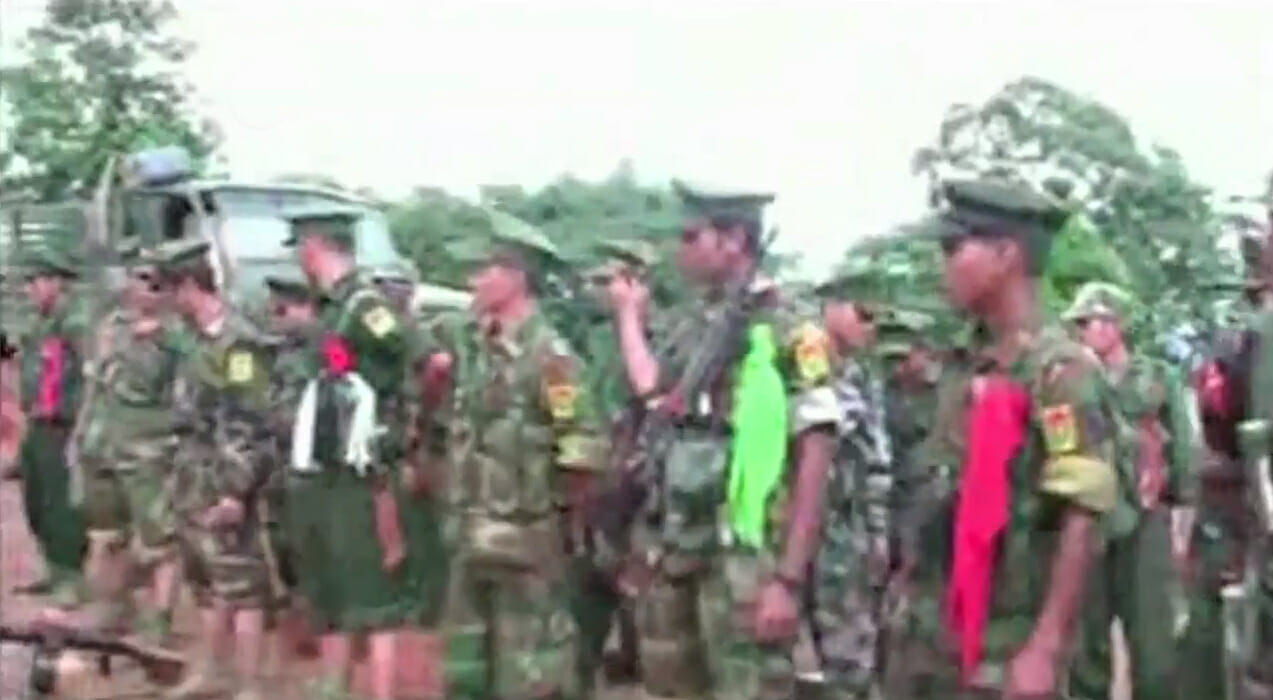
In June, August, and again in late September of this year, the Tatmadaw (Burmese Armed Forces) launched brutal attacks against the Kachin Independence Army (KIA) and committed horrific crimes against the local ethnic people living in Kachin and northern Shan State. These attacks likely had much to do with securing territory around key Chinese-led energy projects, as well as the ethnic armed groups’ refusal to give in to pressure by the former military regime to become Border Guard Forces.
Then, just this week, a damning report was released by the Kachin Women’s Association of Thailand which tells in graphic detail how the Burmese Army, in the course of their attacks against the KIA, raped and murdered local people in-front of family members, forced local people to serve as human mine sweepers, and committed other awful acts that may amount to war crimes.
Chinese Dam Project Suspended
In the middle of these attacks against the KIA, Thein Sein – Burma’s so-called “civilian” president who ended decades of military service to run in the deeply flawed 2010 election – declared a unilateral suspension of the controversial Chinese-led Myitsone Dam. The suspension followed an unprecedented nation-wide grassroots campaign against the dam, which promised to devastate the ecology of the Irrawaddy River and uproot thousands from their homes, while exporting over 90% of the generated power to China.
What motivated this sudden slow down? Was Thein Sein attempting to curry favor and legitimacy with ASEAN as Burma bids for the ASEAN presidency in 2014? Was he hoping to blunt criticism and quiet protestors before the Greater Mekong Sub-region meeting in late 2011? Or was he genuinely responding to the desires of the people?
A New Approach to Dissidents?
Then there were the meetings between the authorities and Daw Aung San Suu Kyi over the last few months, and the possible re-registration of her party, the National League for Democracy, which were viewed as positive signs both by the former Nobel Peace Prize Winner herself and by civil society groups inside and outside of Burma.
And of course, that takes us to today’s amnesty and release of anywhere from 70 to 300 political prisoners from Burma’s notoriously brutal prisons in the course of an announced release of around 6,000 prisoners. Today’s news was preceded by a call from Burma’s newly created National Human Rights Commission to release Burma’s prisoners of conscience. (This, of course, followed years of denial that these prisoners even existed — denial which persists today — and comes from a Commission whose members have previously led oppressive policies.)
Of course, even 300 is merely a fraction of the nearly 2200 political prisoners that the Assistance Association for Political Prisoners (Burma) and others have documented languishing behind bars for exercising their rights. Today Amnesty International called for the remainder of the political prisoners to be released, and I hope the next few days see just such actions.
What does it all mean?
So, what should we make of these events in Burma, and how should the people of Burma and the outside world respond?
On the one hand, the U.S.’s top policy official on Burma, Assistant Secretary of State Kurt Campbell, yesterday said that the U.S. government, because of these “dramatic developments,” will “match their steps with comparable steps.” One can read into this statement that the U.S. may be very seriously considering loosening some of its restrictions on Burma.
On the other hand, for those of us who have seen and experienced the brutality and dishonesty of the military regime in Burma – especially against ethnic nationalities – these events, while welcomed, are also a reminder that many people from Burma continue to suffer terribly because of the military and former military rulers still running our country. We have come to expect the worst from the rulers of Burma, and hoping for real improvements from within has seemed a waste of time for many years.
Maybe the famous comedian and former political prisoner, Zarganar who was released today expresses all of our hopes and fears:
“I am not happy at all, as none of my 14 so-called political prisoner friends from Myitkyina Prison are among those freed today. I will be happy, and I will thank the government only when all of my friends are freed.”
I, too, will await more from the authorities of Burma. They do not yet have my trust, and can only prove they are truly changing their ways through action… and much more action is needed.